EOT Crane Installation
Installation coordination for single-girder and double-girder EOT cranes according to project specifications and site requirements.
Discuss Your ProjectTower Crane Installation & Construction Engineering
Talk to Our TeamIndustrial Crane Installation
Installation and project coordination for EOT cranes, electric hoists, crane electrical panels, and industrial lifting systems based on your site and equipment requirements.
Our Project Focus
Every installation is planned around equipment specifications, site conditions, qualified personnel, and applicable safety requirements.
About Our Installation Services
Indian Crane and Components provides installation-related solutions for industrial lifting equipment. Our services can support new crane projects, hoist installation, electrical panel integration, and coordination of mechanical and electrical systems.
Each project begins with understanding the facility, equipment specifications, lifting requirements, and installation conditions. The final scope is determined by the approved project requirements and site assessment.
Project Planning
Equipment and site requirement coordination.
Technical Integration
Mechanical and electrical installation coordination.
What We Offer
Explore installation and integration services for overhead cranes, industrial hoists, and related electrical and mechanical equipment.
Installation coordination for single-girder and double-girder EOT cranes according to project specifications and site requirements.
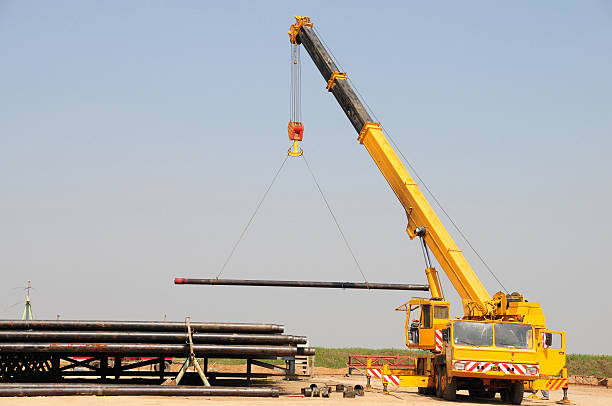
Discuss Your ProjectSupport for crane assembly, structural alignment, component positioning, and installation activities using suitable lifting equipment.
Discuss Your ProjectInstallation support for electric chain hoists and wire rope hoists, subject to rated capacity, mounting arrangements, and manufacturer specifications.
Discuss Your ProjectElectrical control panel supply, wiring, connection checks, and integration with compatible crane control systems.
Discuss Your ProjectCoordination of motors, brakes, travel drives, limit switches, controls, and other components as required by the crane design.
Discuss Your ProjectCoordination of installation inspections, functional checks, and commissioning activities according to applicable requirements and approved procedures.
Discuss Your ProjectOur Workflow
A structured installation process helps coordinate technical requirements, resources, inspection activities, and handover.
01
Understand the facility layout, runway beams, available headroom, lifting height, and operational requirements.
02
Review crane capacity, span, duty classification, electrical requirements, drawings, and installation arrangements.
03
Coordinate equipment positioning, assembly, mechanical connections, and electrical integration using qualified personnel.
04
Complete required inspections, functional tests, documentation, and handover after the applicable acceptance requirements are met.
Safety & Quality
Crane installation involves lifting operations, structural interfaces, electrical systems, and equipment-specific requirements. Work should be planned and carried out by qualified personnel under approved procedures.
More Solutions
Frequently Asked Questions
Installation requirements can be assessed for EOT cranes, single-girder and double-girder overhead cranes, and compatible electric hoists. The available service scope depends on the project and equipment specifications.
Crane electrical panel supply and installation can be included where supported by the project scope. Panel selection and connections must be compatible with the crane's motors, drives, controls, and electrical specifications.
Share the crane type, rated capacity, span, lifting height, installation location, runway details, available drawings, and project timeline. Existing equipment photographs are also helpful.
Project support can include site assessment, technical coordination, installation planning, equipment integration, and commissioning activities, depending on the agreed scope.
Installation should be performed by qualified personnel under an approved method statement and risk assessment, with suitable lifting equipment, access controls, isolation procedures, and required inspections.
Share your equipment specifications and site requirements to discuss your next industrial lifting project.