01
Crane Breakdown Troubleshooting
Inspect reported faults, unusual operating behaviour, and equipment symptoms to help identify the cause of a crane breakdown.
Discuss Your RequirementTower Crane Installation & Construction Engineering
Talk to Our TeamIndustrial Crane Services
Identify equipment faults and plan the right repair approach with industrial crane troubleshooting, electrical diagnosis, hoist servicing, and mechanical maintenance support.
Repair & Troubleshooting
Industrial cranes depend on coordinated mechanical, electrical, and lifting components. Faults in motors, brakes, control circuits, hoists, or drive assemblies can interrupt material handling and production activities.
Indian Crane and Components can assess repair requirements and help identify suitable next steps based on the equipment configuration, inspection findings, manufacturer instructions, and site safety procedures.
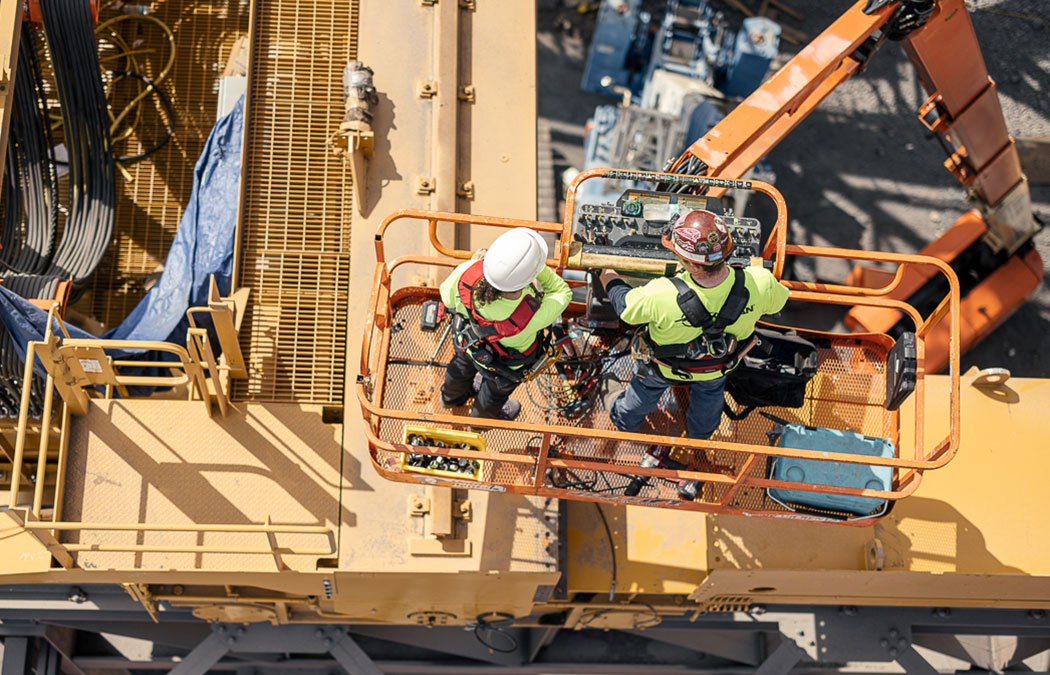
Our Repair Capabilities
Support for common industrial crane faults and component servicing requirements, subject to inspection and equipment compatibility.
Inspect reported faults, unusual operating behaviour, and equipment symptoms to help identify the cause of a crane breakdown.
Discuss Your RequirementCheck relevant control circuits, wiring, contactors, relays, limit switches, and electrical connections for faults.
Discuss Your RequirementAssess hoist motors, brakes, wire ropes or chains, hooks, and related lifting components for damage or wear.
Discuss Your RequirementInspect applicable mechanical assemblies, wheels, couplings, gearboxes, bearings, and drive components.
Discuss Your RequirementTroubleshoot compatible crane control panels and associated components based on the electrical design and fault symptoms.
Discuss Your RequirementIdentify potential issues through planned inspections and recommend maintenance to reduce avoidable breakdowns.
Discuss Your RequirementRecognise Potential Faults
Unusual operating behaviour can indicate a developing fault. Equipment should be inspected by qualified personnel before further use whenever a safety-related problem is suspected.
Unexpected sounds or vibration from motors, gearboxes, wheels, or hoisting mechanisms.
Jerky travel, unexpected stopping, or irregular lifting and lowering behaviour.
Tripping protection, damaged cables, control faults, or visible signs of overheating.
Wear, deformation, leakage, or damage affecting lifting and mechanical components.
Important Safety Notice
If a crane operates abnormally or a safety-critical component appears damaged, stop using the equipment and follow the site's shutdown, isolation, and reporting procedures. Keep people away from suspended loads and the affected operating area.
Our Workflow
A clear process helps establish the problem, confirm the repair scope, and verify the equipment condition before handover.
01
Share the crane type, site location, equipment model, symptoms, and any visible fault indications.
02
Assess the equipment and identify the likely mechanical, electrical, or operational cause of the issue.
03
Confirm the proposed work, required components, safety controls, and service scope before repairs begin.
04
Complete applicable inspections and functional checks before authorised return to operation.
Explore hoist servicing, component inspections, and repair support.
Learn more →Learn about control panel installation and electrical integration.
Learn more →Plan regular inspections and preventive servicing for your equipment.
Learn more →Frequently Asked Questions
Repair requirements can be assessed for EOT cranes, overhead cranes, and compatible industrial lifting systems. The service scope depends on the equipment design, condition, and availability of suitable parts.
You can share the crane type, symptoms, control panel indications, and site details so the fault can be assessed and the appropriate inspection or repair requirement discussed.
Electrical troubleshooting may include relevant wiring, contactors, relays, control circuits, limit switches, and panel components. Work should be performed by qualified personnel using the approved electrical design and safety procedures.
Stop using the equipment if it is unsafe or behaving abnormally, keep people clear of suspended loads, secure the area, and follow your site's isolation and reporting procedures. Do not bypass safety devices or continue operating damaged equipment.
Repair and maintenance coverage can be discussed as part of an Annual Maintenance Contract. Inclusions, response arrangements, exclusions, and replacement parts should be defined in the agreed contract.
Provide the crane type and capacity, manufacturer or model if available, site location, fault description, photos or videos where safe to capture, and details of any previous repairs.
Need Crane Repair Support?
Share the crane type, equipment details, site location, and fault symptoms to discuss inspection and repair options.